<?xml version="1.0" encoding="UTF-8"?>
<?xml-model href="https://vault.tei-c.org/P5/current/xml/tei/custom/schema/relaxng/tei_all.rng" schematypens="http://relaxng.org/ns/structure/1.0" type="application/xml"?>
<TEI xmlns="http://www.tei-c.org/ns/1.0">
<teiHeader xml:lang="en">
<fileDesc>
<titleStmt>
<title><hi rend="italic">Edward Yang: Poetry and Motion</hi>: A Digital TEI Edition</title>
<author>
<persName xml:id="author_anderson" sameAs="https://www.wikidata.org/wiki/Q6219000">
<forename>John</forename>
<surname>Anderson</surname>
</persName>
</author>
<respStmt>
<resp>Digital encoding, semantic modeling, and TEI markup by</resp>
<persName xml:id="editor_student">
<forename>Xinyi</forename>
<surname>Guo</surname>
</persName>
</respStmt>
</titleStmt>
<publicationStmt>
<publisher>Maverick Engineer LOD Project</publisher>
<pubPlace>
<placeName key="Bologna" sameAs="https://www.geonames.org/3181928">Bologna, Italy</placeName>
</pubPlace>
<date when="2026-03">March 2026</date>
<availability status="free">
<p>Open Access</p>
<licence target="https://creativecommons.org/licenses/by/4.0/">CC-BY 4.0 International</licence>
</availability>
</publicationStmt>
<sourceDesc>
<bibl xml:id="source_book">
<title level="a">Poetry and Motion</title>
<title level="m">Edward Yang (Contemporary Film Directors)</title>
<author ref="#author_anderson">John Anderson</author>
<publisher>University of Illinois Press</publisher>
<date when="2005">2005</date>
<idno type="ISBN">978-0252072369</idno>
<note>This digital edition consists of selected paragraphs from the first chapter.</note>
</bibl>
</sourceDesc>
</fileDesc>
<encodingDesc>
<projectDesc>
<p>Created for the "Maverick Engineer" LOD and DH course project.</p>
</projectDesc>
<samplingDecl>
<p>This text contains non-contiguous selected paragraphs from Chapter 1 ("Poetry and Motion")
of John Anderson's book to highlight the biographical, structural, and conceptual background of Edward Yang.</p>
</samplingDecl>
</encodingDesc>
<profileDesc>
<particDesc>
<listPerson type="mentions">
<head>Global Entities and Authorities Mentioned</head>
<person xml:id="person_edward_yang" sameAs="https://www.wikidata.org/wiki/Q716700">
<persName xml:lang="zh">楊德昌</persName>
<persName xml:lang="en">Edward Yang</persName>
<occupation>Film director; leading figure of Taiwan New Cinema.</occupation>
</person>
<person xml:id="person_herzog" sameAs="https://www.wikidata.org/wiki/Q44131">
<persName>Werner Herzog</persName>
<occupation>German film director, screenwriter, and author.</occupation>
</person>
<person xml:id="person_kinski" sameAs="https://www.wikidata.org/wiki/Q55419">
<persName>Klaus Kinski</persName>
<occupation>German actor known for his collaboration with Herzog.</occupation>
</person>
<person xml:id="person_fassbinder" sameAs="https://www.wikidata.org/wiki/Q44426">
<persName>Rainer Werner Fassbinder</persName>
<occupation>Prominent figure of the New German Cinema.</occupation>
</person>
<person xml:id="person_jean_renoir" sameAs="https://www.wikidata.org/wiki/Q50713">
<persName>Jean Renoir</persName>
<occupation>French film director.</occupation>
</person>
<person xml:id="person_tolstoy" sameAs="https://www.wikidata.org/wiki/Q7243">
<persName>Leo Tolstoy</persName>
<occupation>Russian writer.</occupation>
</person>
<person xml:id="person_mao_zedong" sameAs="https://www.wikidata.org/wiki/Q5816">
<persName>Mao Zedong</persName>
<occupation>Chinese communist revolutionary.</occupation>
</person>
</listPerson>
<listOrg>
<org xml:id="org_nationalists" sameAs="https://www.wikidata.org/wiki/Q31113">
<orgName>Kuomintang (Chinese Nationalists)</orgName>
</org>
<org xml:id="org_UF" sameAs="https://www.wikidata.org/wiki/Q501758">
<orgName>University of Florida</orgName>
</org>
<org xml:id="org_USC" sameAs="https://www.wikidata.org/wiki/Q4614">
<orgName>University of Southern California</orgName>
</org>
</listOrg>
<listPlace>
<place xml:id="place_taiwan" sameAs="https://www.geonames.org/1668284">
<placeName>Taiwan</placeName>
</place>
<place xml:id="place_taipei" sameAs="https://www.geonames.org/1668341">
<placeName>Taipei</placeName>
</place>
<place xml:id="place_shanghai" sameAs="https://www.geonames.org/1796236">
<placeName>Shanghai</placeName>
</place>
<place xml:id="place_hollywood" sameAs="https://www.wikidata.org/wiki/Q34006">
<placeName>Hollywood</placeName>
</place>
<place xml:id="place_us" sameAs="https://www.wikidata.org/wiki/Q30">
<placeName>United States</placeName>
</place>
<place xml:id="place_incan_amazon">
<placeName>Incan Amazon</placeName>
<note>A rhetorical and historical conflation by the author referring to the Andes-Amazon
transition zone explored by Spanish conquistadors in Herzog's film. </note>
</place>
</listPlace>
</particDesc>
<textClass>
<keywords scheme="http://id.loc.gov/authorities/subjects">
<term xml:id="concept_alienation" sameAs="https://www.wikidata.org/wiki/Q545825">
<term xml:lang="en">Alienation</term>
<term xml:lang="zh">异化</term>
<note>The psychological and social isolation of individuals within the urban landscape.</note>
</term>
<term xml:id="concept_materialism" sameAs="https://www.wikidata.org/wiki/Q7081">
<term xml:lang="en">Materialism</term>
<term xml:lang="zh">物质主义</term>
<note>The prioritization of economic gain over spiritual ethics.</note>
</term>
</keywords>
</textClass>
</profileDesc>
<sourceDesc>
<listBibl>
<head>Films Mentioned in the Text</head>
<bibl xml:id="item_expectations" sameAs="https://www.wikidata.org/wiki/Q39072310">
<title>Expectations</title>
<date>1982</date>
<idno type="IMDb">https://www.imdb.com/title/tt0085626/</idno>
</bibl>
<bibl xml:id="item_that_day" sameAs="https://www.wikidata.org/wiki/Q3519626">
<title>That Day, on the Beach</title>
<date>1983</date>
<idno type="IMDb">https://www.imdb.com/title/tt0085635/</idno>
</bibl>
<bibl xml:id="item_taipei_story" sameAs="https://www.wikidata.org/wiki/Q3514053">
<title>Taipei Story</title>
<date>1985</date>
<idno type="IMDb">https://www.imdb.com/title/tt0089866/</idno>
</bibl>
<bibl xml:id="item_terrorizer" sameAs="https://www.wikidata.org/wiki/Q640531">
<title>The Terrorizer</title>
<date>1986</date>
<idno type="IMDb">https://www.imdb.com/title/tt0091355/</idno>
</bibl>
<bibl xml:id="item_brighter_summer" sameAs="https://www.wikidata.org/wiki/Q710745">
<title>A Brighter Summer Day</title>
<date>1991</date>
<idno type="IMDb">https://www.imdb.com/title/tt0101985/</idno>
</bibl>
<bibl xml:id="item_confucian_confusion" sameAs="https://www.wikidata.org/wiki/Q2992619">
<title>A Confucian Confusion</title>
<date>1994</date>
<idno type="IMDb">https://www.imdb.com/title/tt0109685/</idno>
</bibl>
<bibl xml:id="item_mahjong" sameAs="https://www.wikidata.org/wiki/Q3277743">
<title>Mahjong</title>
<date>1996</date>
<idno type="IMDb">https://www.imdb.com/title/tt0116962/</idno>
</bibl>
<bibl xml:id="item_yiyi" sameAs="https://www.wikidata.org/wiki/Q704513">
<title>Yi Yi</title>
<date>2000</date>
<idno type="IMDb">https://www.imdb.com/title/tt0244316/</idno>
</bibl>
<bibl xml:id="item_aguirre" sameAs="https://www.wikidata.org/wiki/Q325662">
<title>Aguirre</title>
<date>1972</date>
<idno type="IMDb">https://www.imdb.com/title/tt0068182/</idno>
</bibl>
<bibl xml:id="item_fitzcarraldo" sameAs="https://www.wikidata.org/wiki/Q698111">
<title>Fitzcarraldo</title>
<date>1982</date>
<idno type="IMDb">https://www.imdb.com/title/tt0083946/</idno>
</bibl>
<bibl xml:id="item_nosferatu" sameAs="https://www.wikidata.org/wiki/Q151895">
<title>Nosferatu</title>
<date>1979</date>
<idno type="IMDb">https://www.imdb.com/title/tt0079641/</idno>
</bibl>
</listBibl>
</sourceDesc>
</teiHeader>
<text>
<body>
<div type="selection" n="1" subtype="chapter">
<head rend="center">SELECTIONS FROM CHAPTER 1: POETRY AND MOTION</head>
<p>
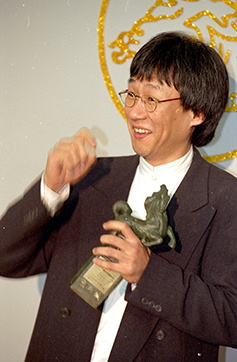
<persName ref="#person_edward_yang">Yang</persName>'s view of his own work has been far more restrained.
<q>“I tried to get everything as average as possible,”</q> he said with characteristic understatement, <lb/>
not long after the film had played the <name type="event" sameAs="https://www.wikidata.org/wiki/Q1089696">2000 Cannes Film Festival</name>
and he was awarded the prize for Best Director. <q>“Not too much, not too little, right down the center of <lb/>
the court,because that's what is most universal. It will touch more people that way. And, actually, it's more dramatic”</q> <lb/>
(qtd. in Johnston).
</p>
<p>
<q>“When you make a film like this,”</q> he told another interviewer, <q>“it's like writing a very intimate <lb/>
letter to a very good friend. The movie's success is not something that boosts my ego. But that there are so <lb/>
many friends in the world who understand you--that's a comfortable feeling”</q> (qtd. in Johnston).
</p>
<p>
Comfortable for <persName ref="#person_edward_yang">Yang</persName>, perhaps, but the overarching effect of his <lb/>
films is as far from solace as the feel-good ethos of current <placeName ref="#place_hollywood">Hollywood</placeName> is<lb/>
from the blunt-edged humanity of <persName ref="#person_jean_renoir">Jean Renoir</persName>. All of <persName ref="#person_edward_yang">Yang</persName>'s <lb/>
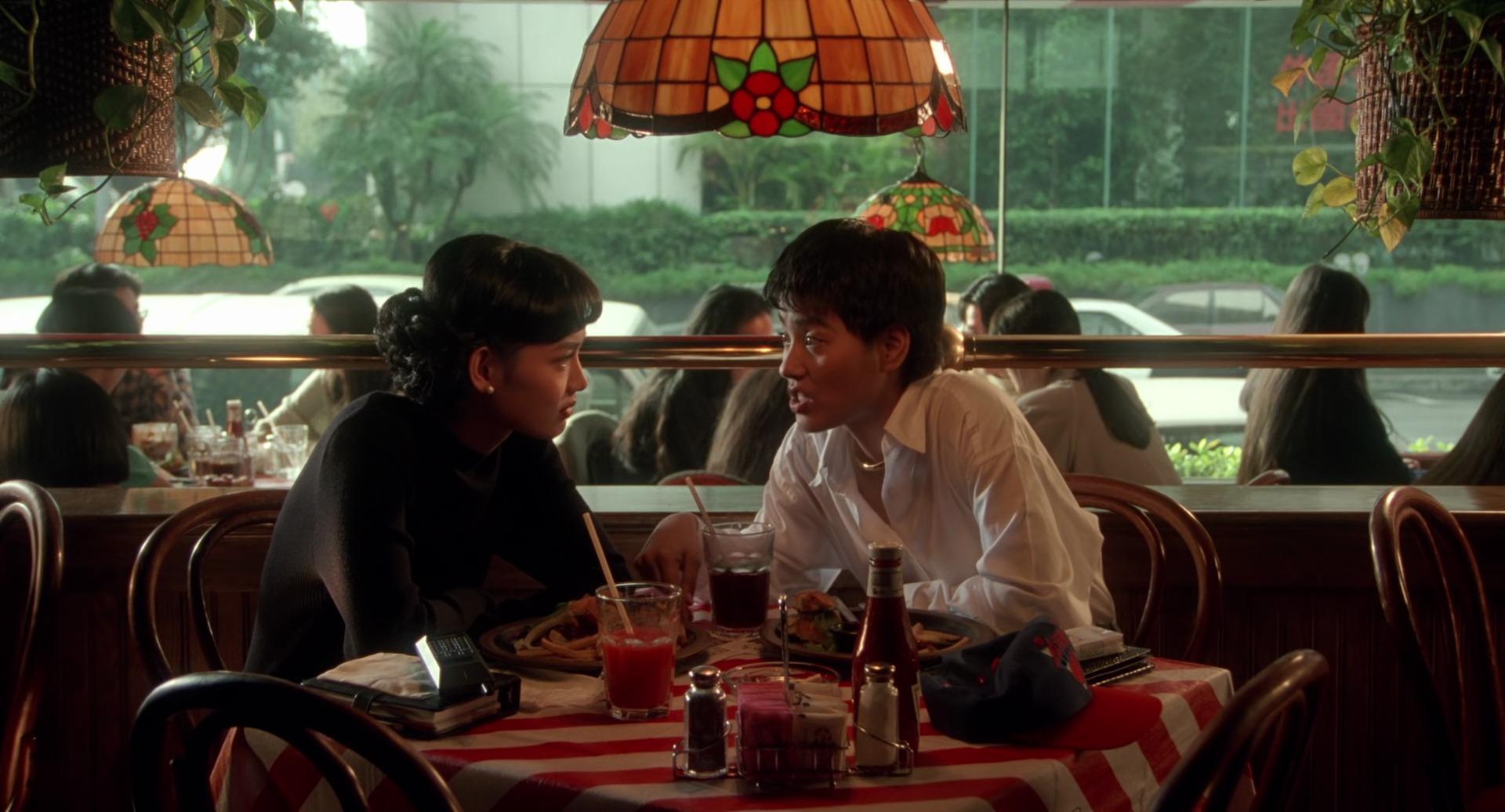
films are disquieting, albeit in their own distinct ways. The silent solitude of <title ref="#item_expectations">Expectations</title> (1982), the spiritual <lb/>
slipperiness of <title ref="#item_that_day">That Day, on the Beach</title> (1983), the existential dread of <title ref="#item_terrorizer">The Terrorizer</title> (1986),<lb/>
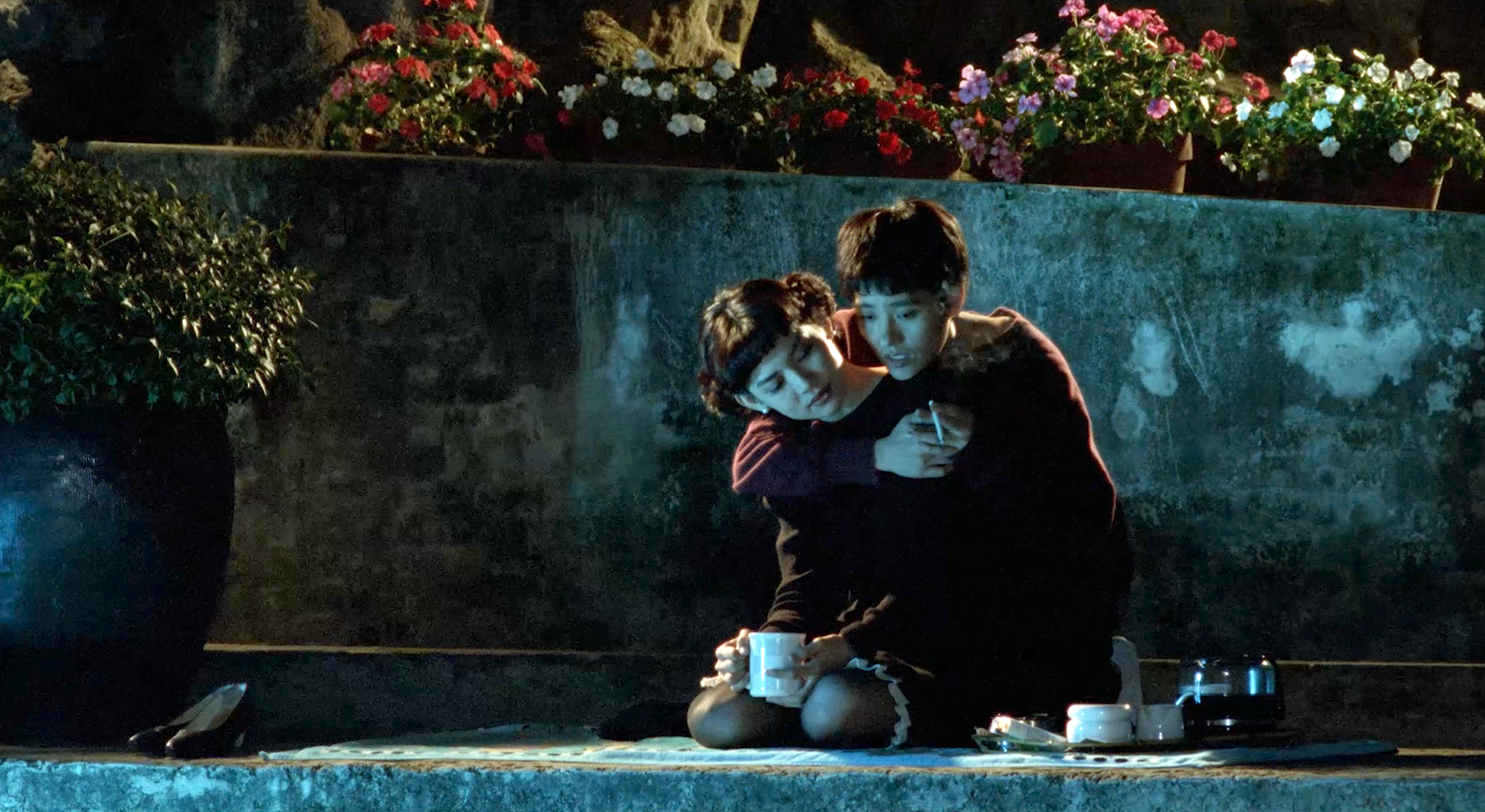
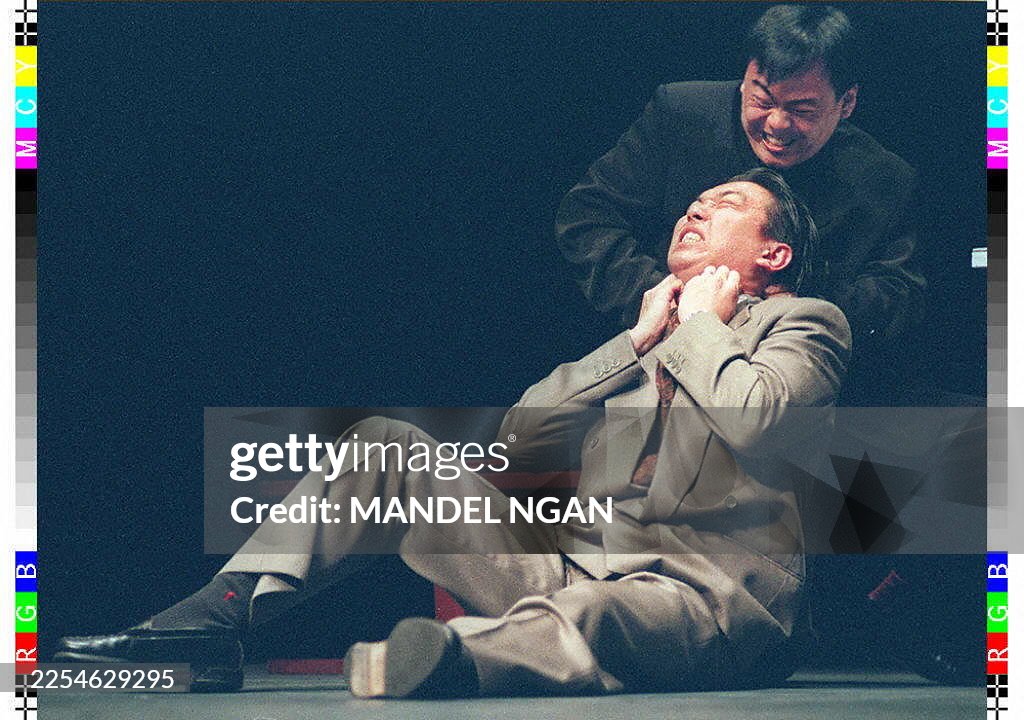
and the interpersonal dysfunction of <title ref="#item_confucian_confusion">A Confucian Confusion</title> (1994) and <title ref="#item_mahjong">Mahjong</title><lb/>
(1996) are all intended to rock audiences out of their popcorn-nourished complacency and into a new awareness of their world and its possibilities.
</p>
<p>
These films are not the stuff of record-shattering box office, nor have they had global exposure, as one can tell <lb/>
from <persName ref="#person_edward_yang">Yang</persName>'s record with <placeName ref="#place_us">U.S.</placeName> distributors.<lb/>
But mass acceptance has never been a barometer of artistic importance. It certainly has not been in the case of <persName ref="#person_edward_yang">Edward Yang</persName>.
</p>
<p>
That his films have had trouble even in <placeName ref="#place_taiwan">Taiwan</placeName> is an example of what happens to<lb/>
agents provocateurs on the field of mass entertainment. The principals of the<lb/>
<term type="movement" sameAs="https://www.wikidata.org/wiki/Q701625">Taiwanese New Wave</term> were, of course,<lb/>
<placeName sameAs="https://www.wikidata.org/wiki/Q48">Asian</placeName> film-makers, who were influenced by the<lb/>
<name type="movement" sameAs="https://www.wikidata.org/wiki/Q167776">Italian neo-realists</name>--who inspired the <lb/>
realism that separates the younger Taiwanese directors from their predecessors-- and impelled not only by artistic <lb/>
hunger but by a need to explore the singular experience of life on <placeName ref="#place_taiwan">Taiwan</placeName>. <lb/>
With his debut feature, <title ref="#item_that_day">That Day, on the Beach</title>, and his landmark <title ref="#item_taipei_story">Taipei Story</title> (1985),<lb/>
<persName ref="#person_edward_yang">Yang</persName> presented modern Taiwanese audiences with something they had not been shown: themselves.
</p>
<p>
With the propulsively dramatic, psychologically ruinous <title ref="#item_brighter_summer">A Brighter Summer Day</title><lb/>
(1991), <persName ref="#person_edward_yang">Yang</persName>'s vision crystallized. <persName ref="#person_edward_yang">Yang</persName><lb/>
bookended the nineties with <title ref="#item_brighter_summer">A Brighter Summer Day</title> and <title ref="#item_yiyi">Yi Yi</title>, <lb/>
achieving with the latter film a kind of synthesis of his own disparate tensions and the full realization of his <persName ref="#person_tolstoy">Tolstoy</persName>-esque talents<lb/>
as a storyteller.
</p>
<p>
The patchwork culture of Taiwanese society, its lack of a traditionally solid foundation, and its seduction by the economic bull <lb/>
markets of the nineties have been consistent themes for <persName ref="#person_edward_yang">Yang</persName> over the last decade. <lb/>
<title ref="#item_confucian_confusion">A Confucian Confusion</title> (1994) is an aptly titled omnibus of unhappy characters romantically <lb/>
involved with the wrong people for the wrong reasons, mostly money, which <persName ref="#person_edward_yang">Yang</persName> sees as<lb/>
<placeName ref="#place_taipei">Taipei</placeName>'s chief pollutant and major religion. <title ref="#item_mahjong">Mahjong</title> (1996)<lb/>
was similarly obsessed with the <term ref="#concept_materialism">materialism</term><lb/>of <placeName ref="#place_taipei">Taipei</placeName>. <lb/>
These two films are often seen, thematically, as a pair, just as <persName ref="#person_edward_yang">Yang</persName>'s "urban trilogy" serves as<lb/>
a medley of <term ref="#concept_alienation">alienation</term>.
</p>
<gap reason="omitted" extent="several paragraphs"/>
<p>
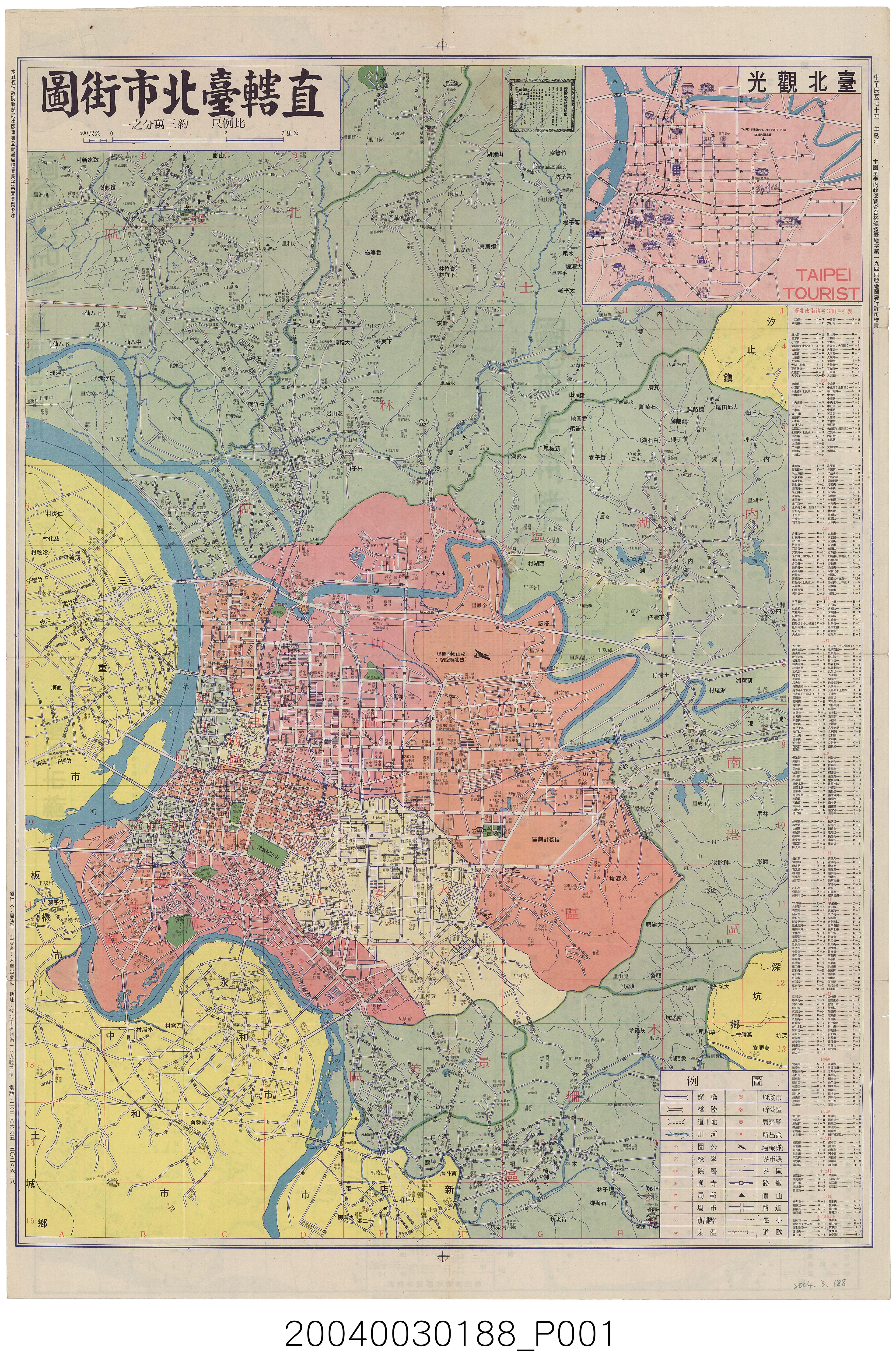
Born in <placeName ref="#place_shanghai">Shanghai</placeName> in <date when="1947">1947</date>, <persName ref="#person_edward_yang">Yang</persName> was taken to<lb/>
<placeName ref="#place_taiwan">Taiwan</placeName> by his family in 1949, after <persName ref="#person_mao_zedong">Mao Zedong</persName><lb/>
took over the mainland and the <orgName ref="#org_nationalists">Nationalists</orgName> hit the rowboats. Growing up<lb/>
in the fifties and sixties, he was among his country's first postwar generation and thus a product of a society (and a <lb/>
government-encouraged ethos) that stressed the study of science and math to the exclusion of the arts—at least as<lb/>
a pursuit for respectable people.
</p>
<p>
<q>“I used to enjoy drawing comics when I was a kid,”</q> <persName ref="#person_edward_yang">Yang</persName> once said, but as<lb/>
he explains in an interview elsewhere in this book, cultural matters or, for that<lb/>
matter, <q>“anything that improves people's intelligence,”</q> was denigrated on<lb/>
<placeName ref="#place_taiwan">Taiwan</placeName>. Young people who could find the strength to resist the status quo<lb/>
and follow an artistic path were few, and they had to have been particularly courageous.
</p>
<p>
The young <persName ref="#person_edward_yang">Edward Yang</persName> was not. As he freely admits, <persName ref="#person_edward_yang">Yang</persName> <lb/>
<q>“gave in,”</q> forsaking his first career choice, <term type="discipline" sameAs="https://www.wikidata.org/wiki/Q12271">architecture</term>—which he <lb/>
had imagined as a discipline that could reconcile the creative with the technical—and opting instead for a degree in electrical engineering. (He was compelled, <lb/>
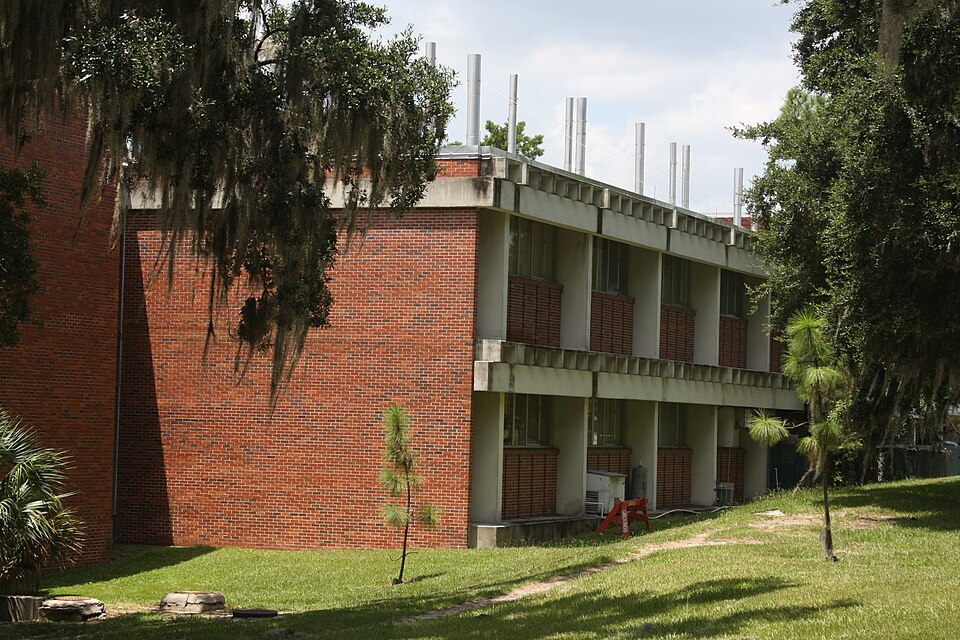
he has said, to be <q>“a good Chinese son.”</q>) This led to a move to the <placeName ref="#place_us">United States</placeName>, where he received a masters<lb/>
degree in computer design at the <orgName ref="#org_UF">University of Florida</orgName>, after which he went west, enrolling for just a year in the film program at<lb/>
the <orgName ref="#org_USC">University of Southern California</orgName>. (<q>“It was a disastrous experience: I couldn't do a lot of the things they wanted me to do. <lb/>
My ideas about story and characters were so different.”</q>)
</p>
<p>
<title ref="#item_aguirre">Aguirre</title>, one of <persName ref="#person_herzog">Werner Herzog</persName>'s famously mad<lb/>
exercises in excess (other notorious examples are <title ref="#item_fitzcarraldo">Fitzcarraldo</title> and<lb/>
<title ref="#item_nosferatu">Nosferatu</title>, all three starring <persName ref="#person_kinski">Klaus Kinski</persName>), is about an insane<lb/>
conquistador in search of gold in the <placeName ref="#place_incan_amazon">Incan Amazon</placeName>. <q>“Basically it's<lb/>
not the style or the beauty of the images that influenced me,”</q> <persName ref="#person_edward_yang">Yang</persName><lb/>
recalled, tellingly. <q>“It was the spirit of the filmmaking of <persName ref="#person_herzog">Mr. Herzog</persName><lb/>
that was never before seen.”</q>
</p>
<p>
Deciding, on a wave of <persName ref="#person_herzog">Herzog</persName>/<persName ref="#person_kinski">Kinski</persName>-inspired determination that<lb/>
<q>“I had to do something I liked before I got real old,”</q> <persName ref="#person_edward_yang">Yang</persName> returned to<lb/>
<placeName ref="#place_taiwan">Taiwan</placeName> in 1981 to pursue a filmmaking career. (Another German, <lb/>
<persName ref="#person_fassbinder">Rainer Werner Fassbinder</persName>, has been cited as a motivating force as well.)
</p>
</div>
</body>
</text>
</TEI>